Surfaces Built to Last Through Coastal Conditions
Concrete in Myrtle Beach for driveways, patios, and walkways exposed to salt air and heavy rain
Myrtle Beach's coastal climate places constant stress on exterior concrete through salt exposure, temperature swings, and moisture infiltration that can cause premature cracking and surface deterioration. Aguilar M Landscaping installs concrete surfaces designed to withstand these specific environmental pressures while maintaining structural integrity and appearance over decades of use. Proper substrate preparation and grading ensure that water moves away from the surface rather than pooling beneath it, where freeze-thaw cycles and erosion compromise the slab from below.
The installation process begins with soil compaction and base layer preparation that prevents settling and creates uniform support across the entire pour area. Incorrect grading or inadequate compaction allows voids to form underneath the concrete, leading to visible cracks within the first year as weight distribution becomes uneven. Decorative finishes and surface treatments are applied while the material is still workable, ensuring color consistency and texture that complements surrounding landscape features without requiring additional maintenance coatings.
Request a site evaluation to determine grading requirements and surface options for your specific project.
What Proper Installation Prevents Long-Term
Concrete performance depends entirely on what happens before the pour occurs, particularly how the subgrade is prepared and how drainage pathways are established around the installation area. Compacted aggregate base layers distribute load evenly and create a barrier between shifting soil and the concrete above, while graded slopes direct rainwater toward designated drainage points rather than allowing it to saturate the ground beneath the slab. Without this preparation, even high-quality concrete will crack as the ground beneath it shifts with moisture changes and seasonal temperature variations.
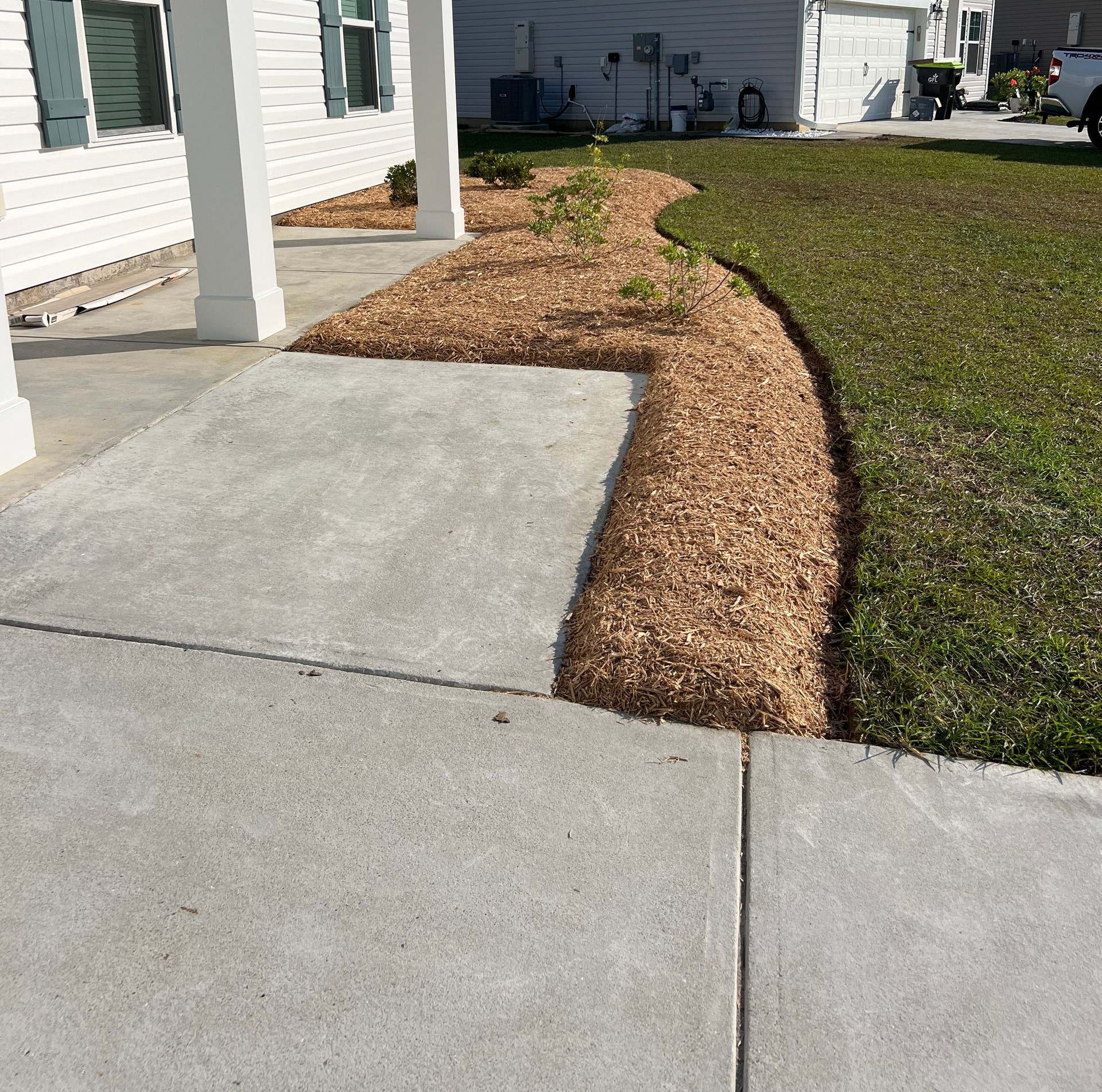
Once the concrete cures and the surface finish is complete, you'll notice immediate improvements in accessibility and usability across your property. Driveways provide smooth, level transitions from the street to your garage without the ruts and erosion common in gravel or poorly maintained asphalt, while walkways eliminate uneven surfaces that create tripping hazards or collect standing water. Patios become stable outdoor spaces that support furniture and foot traffic without settling or developing low spots where water pools after rain.
Installation timelines vary based on site conditions, but most projects include excavation, base preparation, formwork setup, pouring, finishing, and curing time before the surface is ready for use. Decorative options such as stamped patterns, exposed aggregate, or color treatments are determined during the planning phase and integrated into the finishing process rather than applied afterward. Aguilar M Landscaping evaluates each site individually to identify grading challenges, drainage requirements, and any subsurface conditions that affect the installation approach.
Questions Before Starting Your Project
Property owners in Myrtle Beach often have similar concerns about concrete installation timelines, site preparation, and how coastal conditions affect long-term durability.
What preparation happens before concrete is poured?
The site is excavated to the required depth, then filled with compacted aggregate base material that prevents settling and provides stable support, followed by formwork installation that defines the edges and shape of the finished surface.
How does coastal weather affect concrete performance?
Salt air and high humidity can accelerate surface wear if the concrete is not properly finished and cured, which is why installation includes techniques specifically suited to Myrtle Beach conditions that resist moisture penetration and chemical exposure.
When is the concrete ready to use after installation?
Foot traffic is typically safe within 24 to 48 hours, but vehicle traffic and heavy loads require a full seven-day curing period to prevent surface damage and ensure the slab reaches full structural strength.
What causes concrete to crack over time?
Most cracking results from inadequate base preparation, poor drainage that allows water to collect beneath the slab, or expansion joints that are improperly spaced, all of which are addressed during the installation process.
Can decorative finishes be added to existing concrete?
Decorative options work best when applied during the initial pour and finishing process, as surface treatments applied to cured concrete require additional preparation and may not bond as reliably under heavy use or coastal exposure.
Aguilar M Landscaping provides free concrete installation estimates that include site assessment, grading requirements, and finish options tailored to your property's specific needs. Arrange an on-site consultation to review drainage conditions and discuss design preferences for your driveway, patio, or walkway project.